
Building the Financial Stack for Agents with SBC, Aomi, and Colossus
AI agents are starting to transact — buying services, paying for compute, settling with each other. But the infrastructure isn't there yet. Wallets, identity, spending controls, and cross-chain interop all need to work before agent commerce can scale.
AI agents are starting to handle real transactions like buying services, paying for compute, settling with each other. But the infrastructure connecting autonomous agents to actual money is still being figured out. Wallets, identity, spending controls, and interoperability across chains all need to work together before agent-driven commerce becomes practical.
Here's how three projects – SBC, Aomi, and Colossus — are using Para to bring agentic finance closer to real economic activity.
Para: The Wallet Layer
We provide non-custodial embedded wallets secured by Distributed MPC, with support across EVM, Solana, and other chain ecosystems. The key architectural detail for agent use cases is that Para wallets are identity-linked, not app-linked. A wallet created through Para is recognized across every app (irrespective of whether Para is integrated), carrying its app scopes and policies.
This matters for agents because it means a single delegation, from a KYC'd user to an authorized agent, can extend across multiple apps and chains without requiring separate identity verification at every step. Developers can set up agent wallets with scoped controls like spending limits, approved contract interactions, and transaction boundaries, all enforced at the infrastructure level rather than relying on the agent's own logic.
SBC: Agent Payments on High-Performance Rails
SBC is a multichain stablecoin backed 1:1 with USD, issued by Brale in partnership. SBC is the flagship stablecoin of multiple ecosystems, in particular the Radius ecosystem. It's built around redeemability, regulatory compliance, and SBC is interoperable across 10+ public and permissioned networks.
SBC is creating a platform for agentic payments, integrating Para as the wallet and identity layer. The idea is to give agent teams a standardized way to pay each other for data feeds, API calls, compute, etc using a regulated stablecoin.
SBC on Radius unlocks a new class of applications: AI agents that negotiate and settle services autonomously, platforms that pay creators per visit, and real-time API metering based on actual data used.
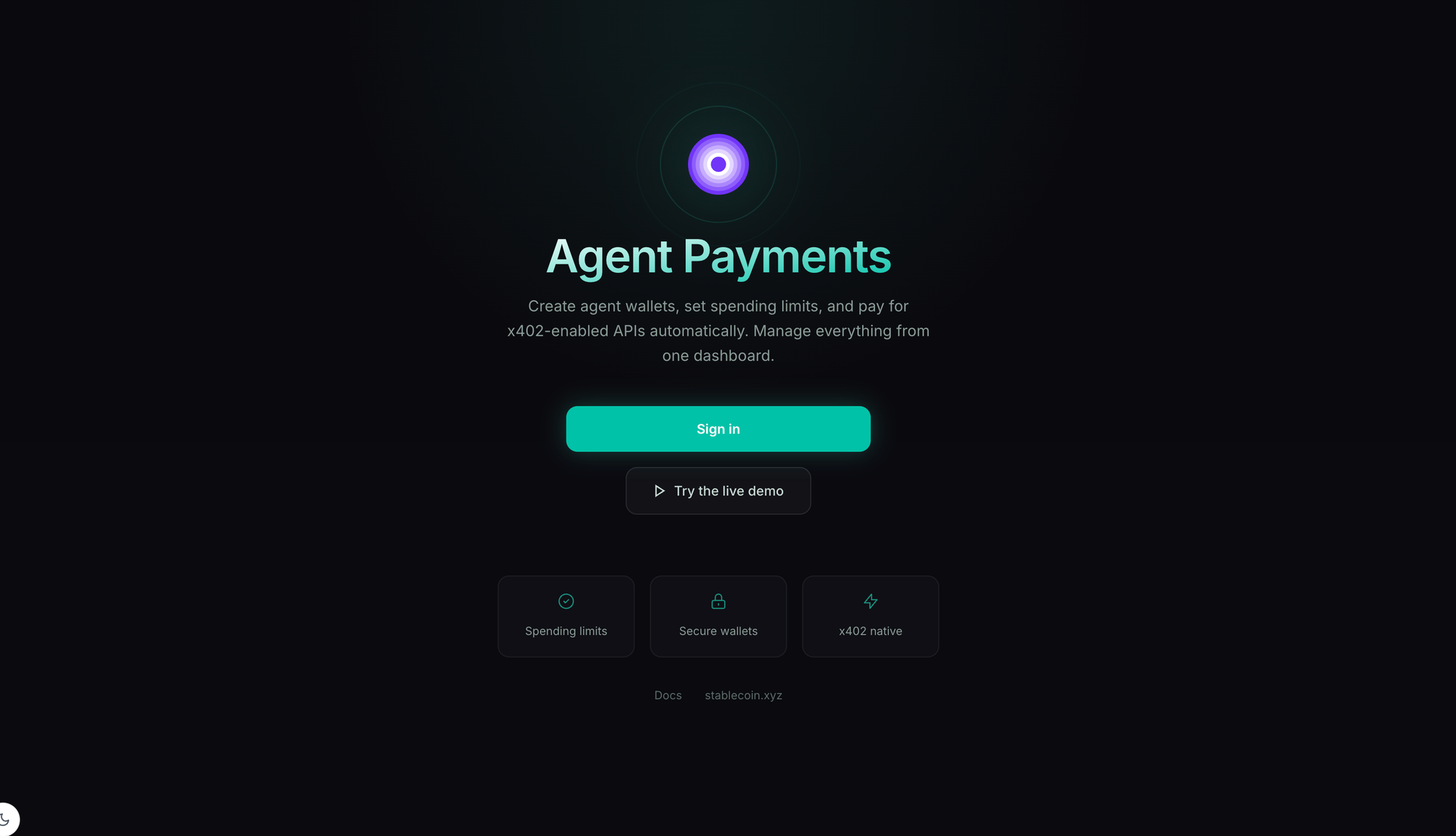
Agent-to-agent payments have higher stakes than agent-to-merchant flows because there's no human in the loop at either end. Para's wallet-level controls give each agent a defined boundary, and SBC's compliance infrastructure ensures the stablecoin itself meets institutional standards. Together, they create an A2A rail that's both autonomous and auditable.
Aomi: The Best Blockchain Harness for AI
Aomi takes a different angle on agent transactions. Rather than building payment rails or stablecoins, Aomi provides an agentic infrastructure layer that translates AI intent into multichain blockchain execution.
Think Claude Code onchain: users express what they want in natural language, and Aomi's harness handles the translation, routing, and execution against any open protocol across DeFi, L2s, bridges, and more. The hard parts like calldata construction and chain specific encoding disappear entirely with Aomi. This extracts the complexity away from users and other AI agents.
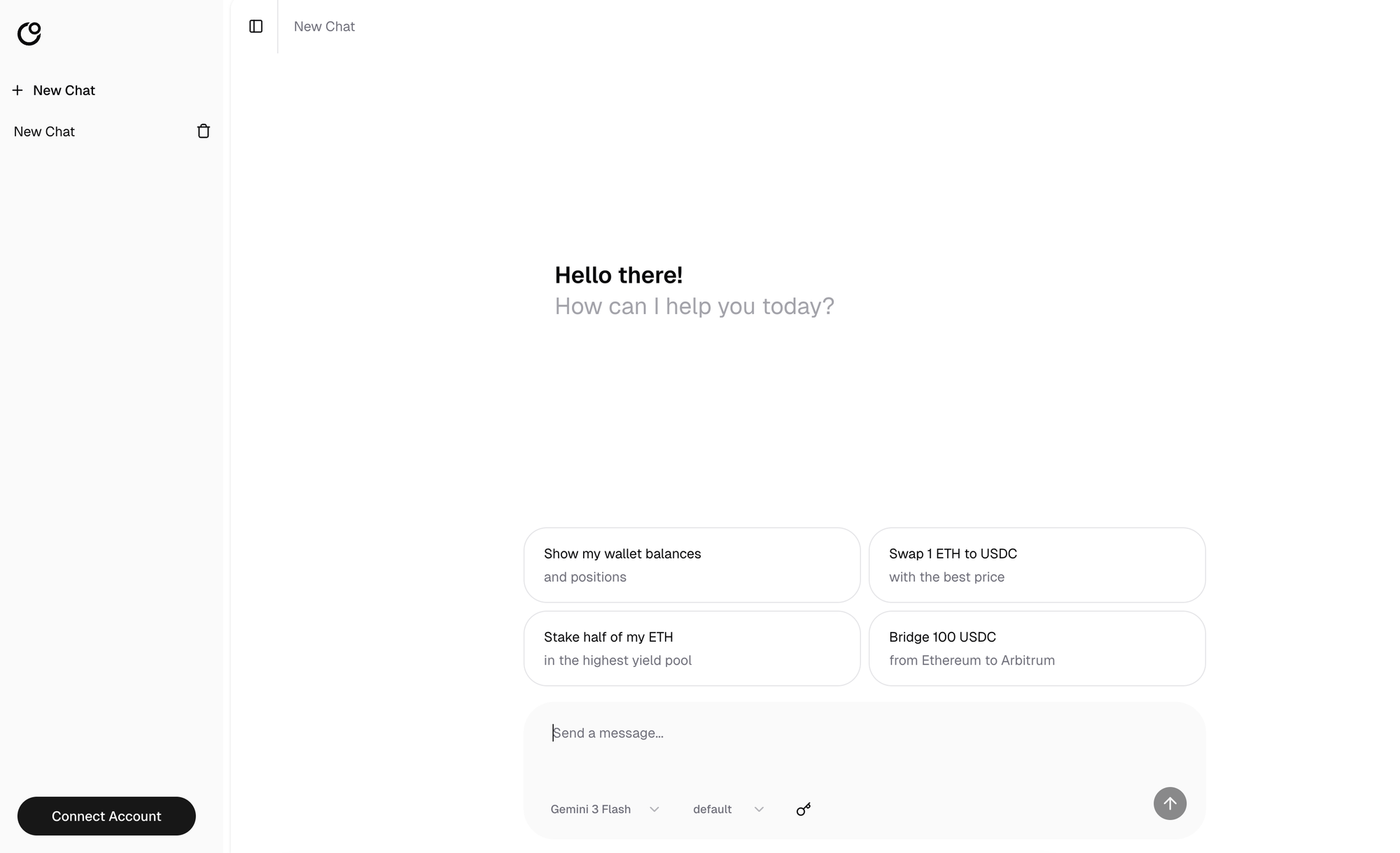
Aomi leverages Para for wallet creation and management. A verification pipeline ensures every AI-generated transaction is simulated against live blockchain state for correctness and type safety before execution. An LLM-as-a-judge layer runs alongside deterministic hard checks to filter out malformed transactions, so agents interact with blockchain protocols safely and reliably. This lowers the barrier for deploying agents that interact with DeFi protocols, manage treasury positions, or coordinate multi-step transactions across chains.
Colossus: Stablecoin Card Network
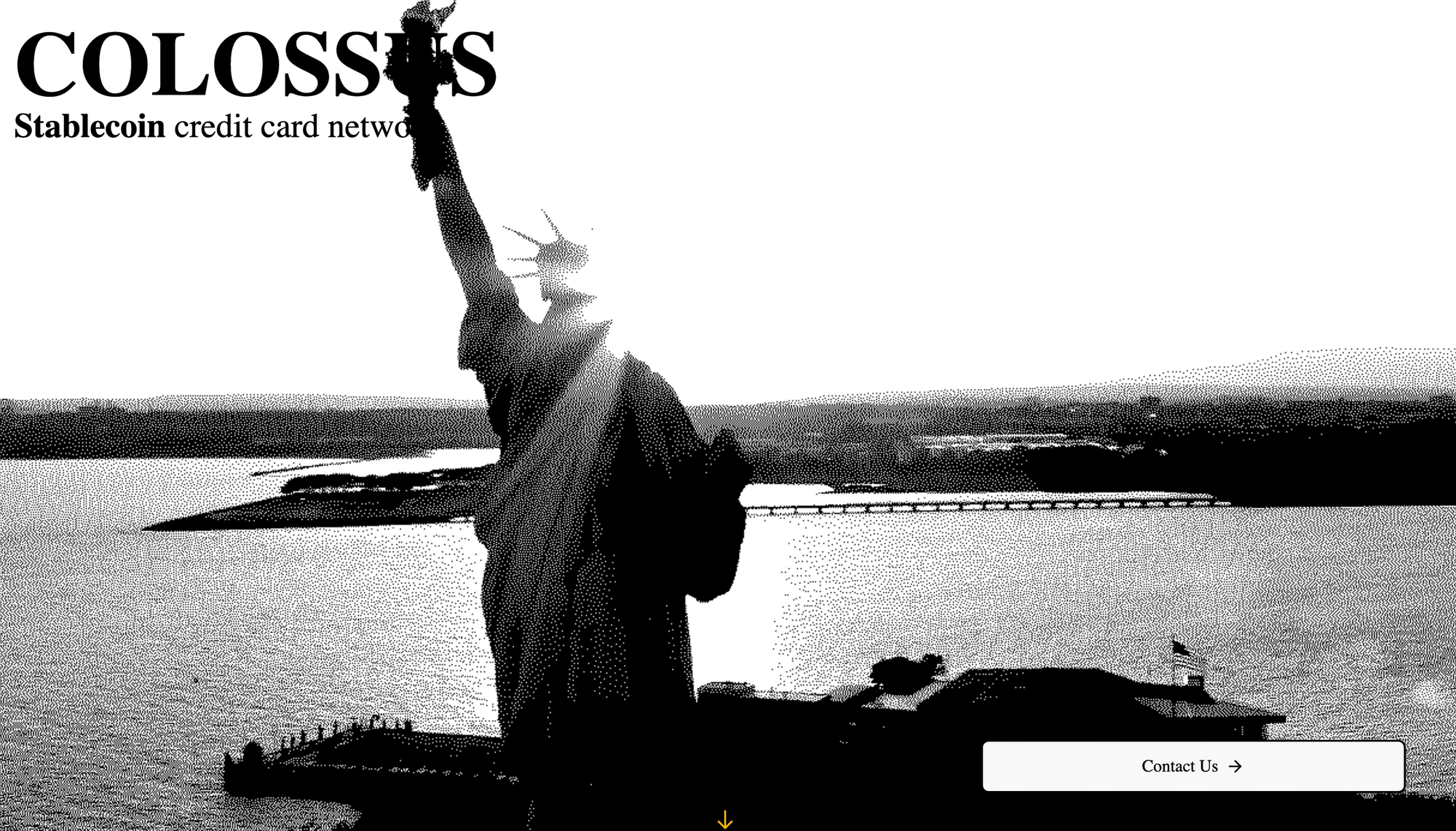
Colossus is a stablecoin credit card network built as an Ethereum L2. It repurposes EMV chip cards to sign ERC-4337 transactions, settling stablecoins from cardholder to merchant in about 100 milliseconds using existing terminals. No Visa or Mastercard rails involved, Colossus is its own network, with merchant fees reduced by 92–96% and settlement happening instantly onchain.
How the Pieces Fit Together
Each of these projects solves a different part of the agent commerce stack:
SBC provides a compliant stablecoin for agent-to-agent value transfer, with the regulatory credibility that institutional participants require.
Aomi provides the execution layer that lets agents express transaction intent in natural language.
Colossus connects payments (human or agentic) to a new stablecoin card network.
These pieces work extremely well together in the agentic commerce stack. An agent that can speak natural language but has no wallet is stuck. An agent with a wallet but no spending controls is a liability. An agent with controls but no connection to merchants or other agents has nothing to spend on. The integration between these layers helps agentic commerce take shape.
It’s clear agents will be economic actors, and they'll need the same financial primitives like wallets, money, and interfaces that humans have had all along, with more programmability.